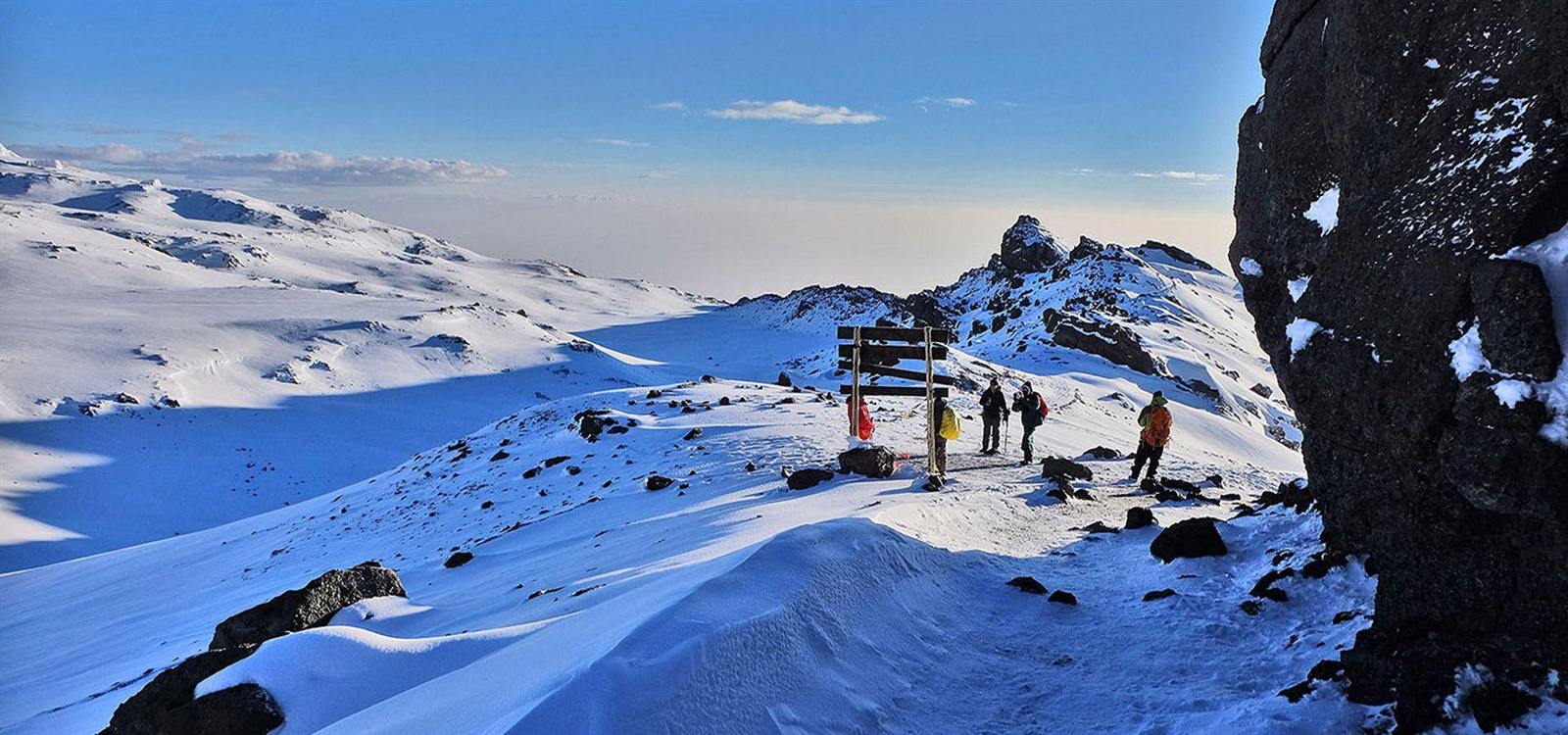
The roof
of Africa.
A mountain of changing landscapes, quiet mornings, long trails and one unforgettable summit.
Walk slowly.
Let the mountain
unfold.
At 5,895 metres, Kilimanjaro is Africa's highest mountain and the world's tallest free-standing mountain. No technical climbing is needed on the standard routes. The challenge is altitude, endurance and patience.
The rhythm matters. Walk steadily, drink regularly, listen to your mountain crew and give your body time to adapt. Polepole ndiyo mwendo: slowly is the way.
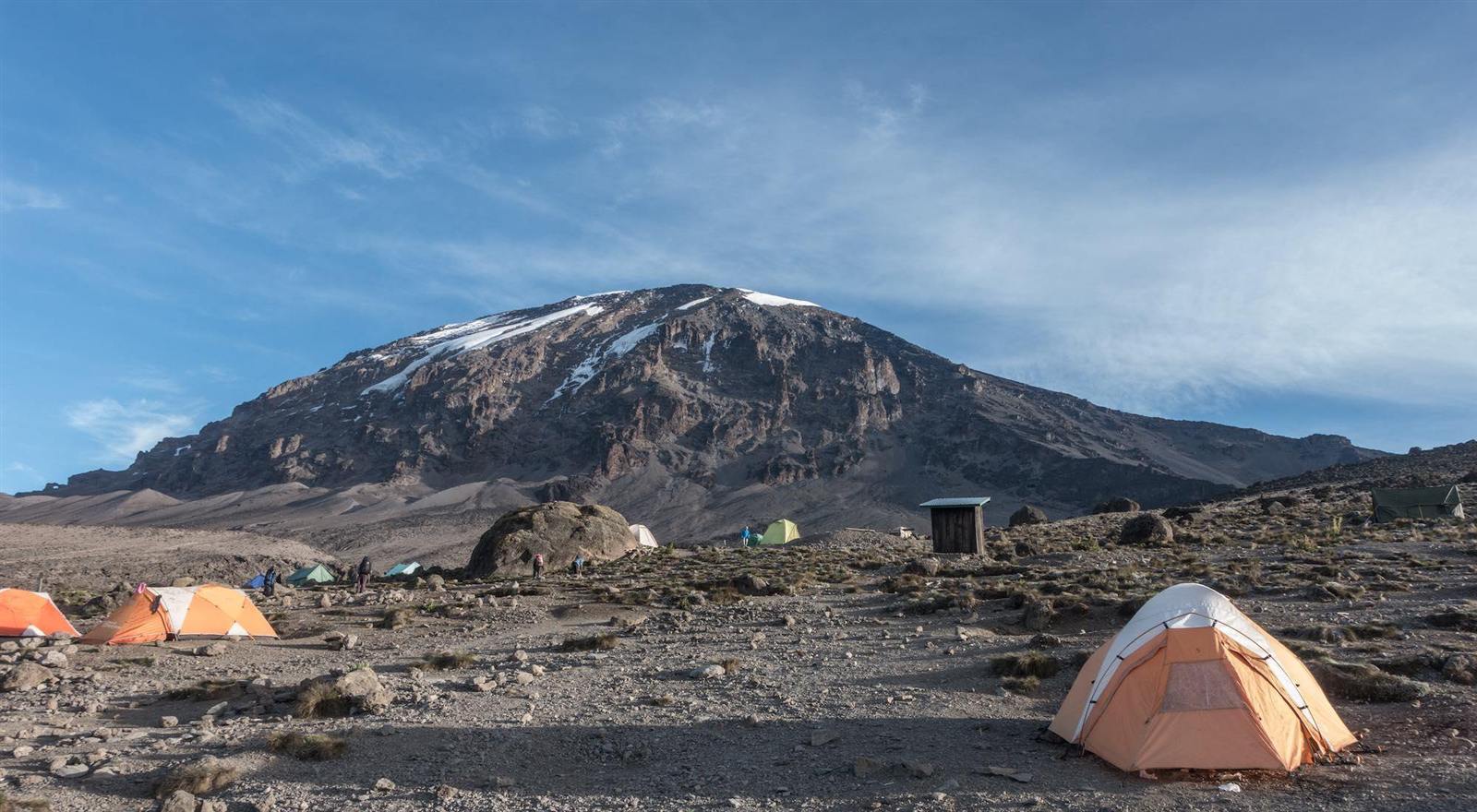
Five worlds on
one mountain.
One of Kilimanjaro's defining experiences is the dramatic change in vegetation and atmosphere as you gain altitude.
Compare the
routes
Every route has its own rhythm, scenery, accommodation and acclimatization profile. Longer routes give your body more time to adapt and improve your summit chances.
The final
ascent.
Summit night is different from the days below. You start around midnight by headlamp, reaching the crater rim at Stella or Gilman's Point as the sun rises over Mawenzi, then continue to the highest point in Africa.
Arrive ready.
Climb with confidence.
We send detailed pre-climb guidance on clothing, equipment, transfers, accommodation and the trekking schedule. Gear rental is available in Moshi and Arusha.
No technical skills are required on the standard routes, but good fitness, preparation and the ability to walk for several days at altitude are important.
Climbs take around 5–9 days depending on the route. We recommend at least 7 days: longer itineraries give your body more time to acclimatize.
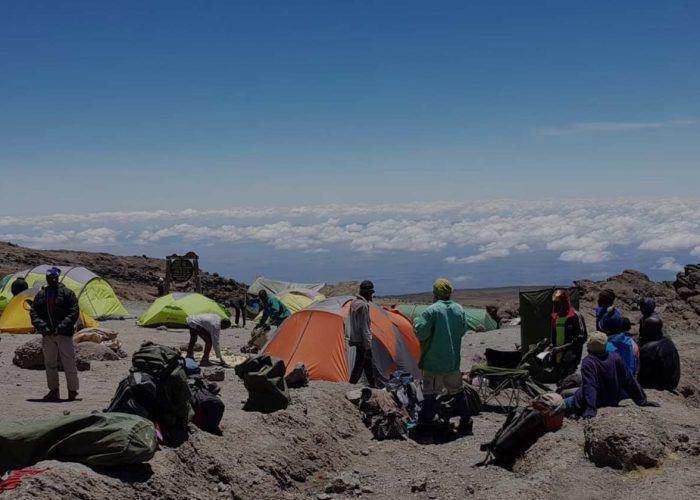
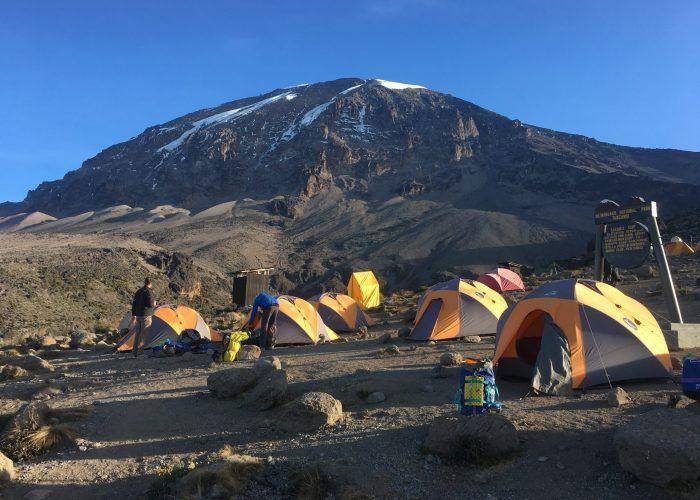
Marangu uses mountain huts; every other route uses designated campsites with quality tents, a mess tent and a private cook.
Tell your guide straight away. Guides monitor everyone daily, and decisions about resting or descending are always made with safety first.
Absolutely. Many guests recover with a few days on safari and a beach finish in Zanzibar. We build the whole journey around your dates.
Respectfully. Fair pay, proper equipment, sensible load limits and good food for every porter. Leave no trace, respect the crew, protect the mountain.
The mountain
is waiting.
Tell us your dates and we'll help you choose the right route, then shape the climb, the hotels and any safari around you.