01
Calving season
January and February are associated with the calving season on the southern plains. TANAPA identifies January–February as a key period for calving. :chatgpt-content-reference{index="7"}
January · FebruaryFollow one of the world's most extraordinary wildlife journeys through Tanzania — from the southern plains and calving season to the northern Serengeti and the Mara River.
Explore migration journeys ↓The Great Migration is a constantly moving ecological cycle rather than a single event. More than 1.5 million wildebeest move through the Serengeti ecosystem alongside large numbers of zebra and other grazing animals. :chatgpt-content-reference{index="1"}
That is why a migration safari should be planned around seasonal movement, landscape and the kind of experience you want — rather than a promise that animals will appear at a particular place on a particular day.
Mau Africa Safaris helps you choose the right area, timing and safari style for the journey you have in mind.
TANAPA describes more than 1.5 million wildebeest taking part in the great annual migration. :chatgpt-content-reference{index="2"}
Serengeti supports more than 500 recorded bird species, adding another dimension to the safari experience. :chatgpt-content-reference{index="3"}
The migration is seasonal, but Serengeti remains a remarkable wildlife destination throughout the year. :chatgpt-content-reference{index="4"}
Serengeti National Park was established in 1951 and was later recognised as a UNESCO World Heritage Site. :chatgpt-content-reference{index="5"}

Serengeti is not simply a stage for the migration. It is a complete wildlife ecosystem, with lions, leopards, elephants, buffalo, rhino and other species living across grasslands, woodlands, rivers and kopjes. :chatgpt-content-reference{index="6"}
Predators follow the movement, landscapes change with the seasons and every game drive has its own rhythm.
The result is a safari experience that remains compelling even when the herds are somewhere else.
Explore SerengetiThe migration moves through a large ecosystem, so the strongest experience depends on when you travel and which part of the cycle you want to witness.
January and February are associated with the calving season on the southern plains. TANAPA identifies January–February as a key period for calving. :chatgpt-content-reference{index="7"}
January · FebruaryAs the herds move through the ecosystem, the experience changes with rainfall, grazing and water availability. Route planning therefore matters greatly.
Seasonal movementThe northern Serengeti becomes particularly important during the period associated with river crossings. Crossings are wild, unpredictable events and can never be guaranteed on a specific day.
Generally July · October
A migration safari is about positioning yourself in the right landscape at the right time.
Depending on the season, your itinerary may focus on southern Serengeti, central Serengeti, the western corridor or the northern Serengeti.
These are dedicated Great Migration safari concepts. They are not the same products used on the Budget, Mid-Range or Luxury pages.
A focused Serengeti journey for travellers who want to experience the migration without committing to a longer safari.
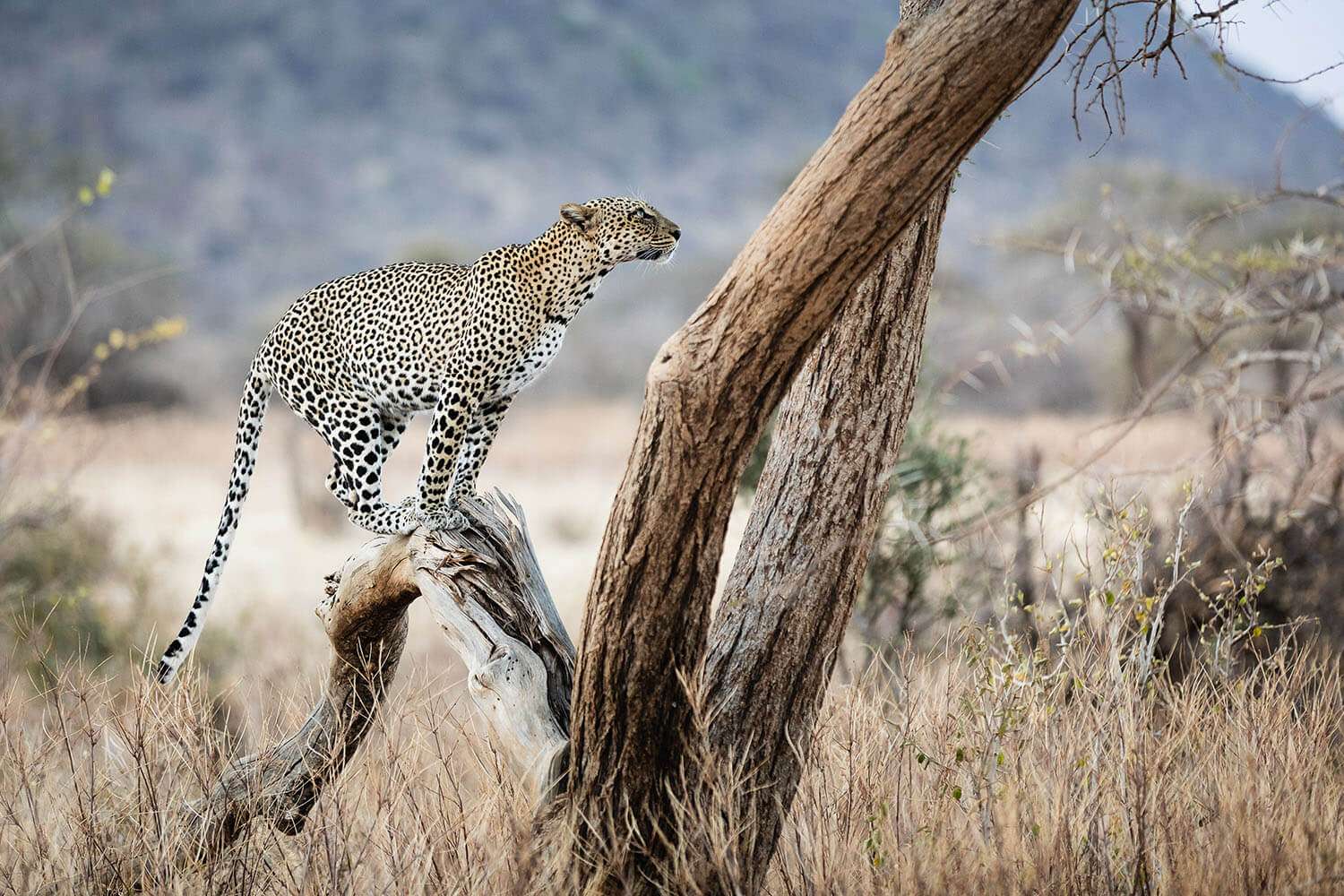
Built around the southern Serengeti and the seasonal calving period, with time for wildlife viewing and photography.
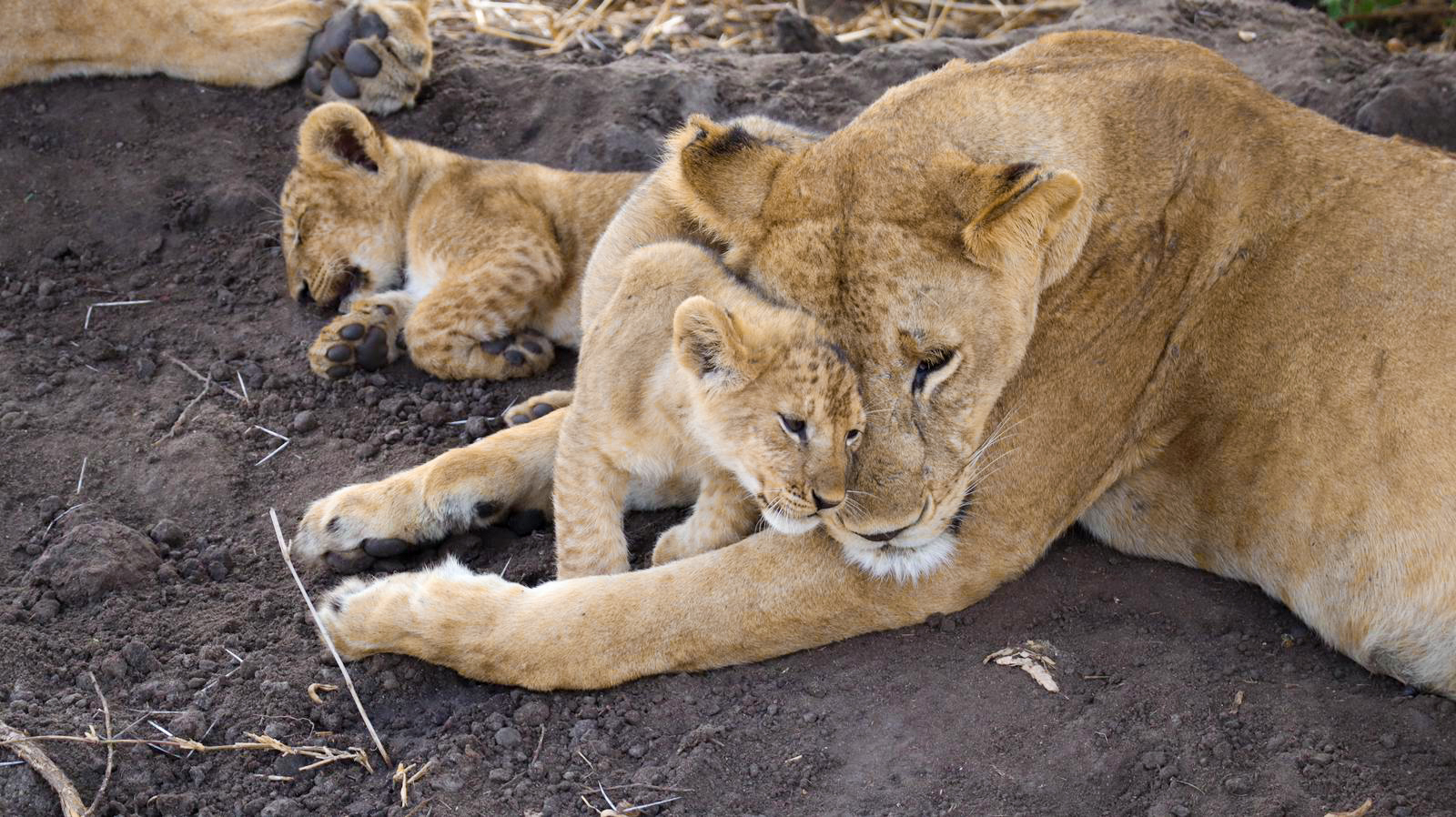
A longer Serengeti experience allowing more time to follow seasonal movement and explore different wildlife areas.
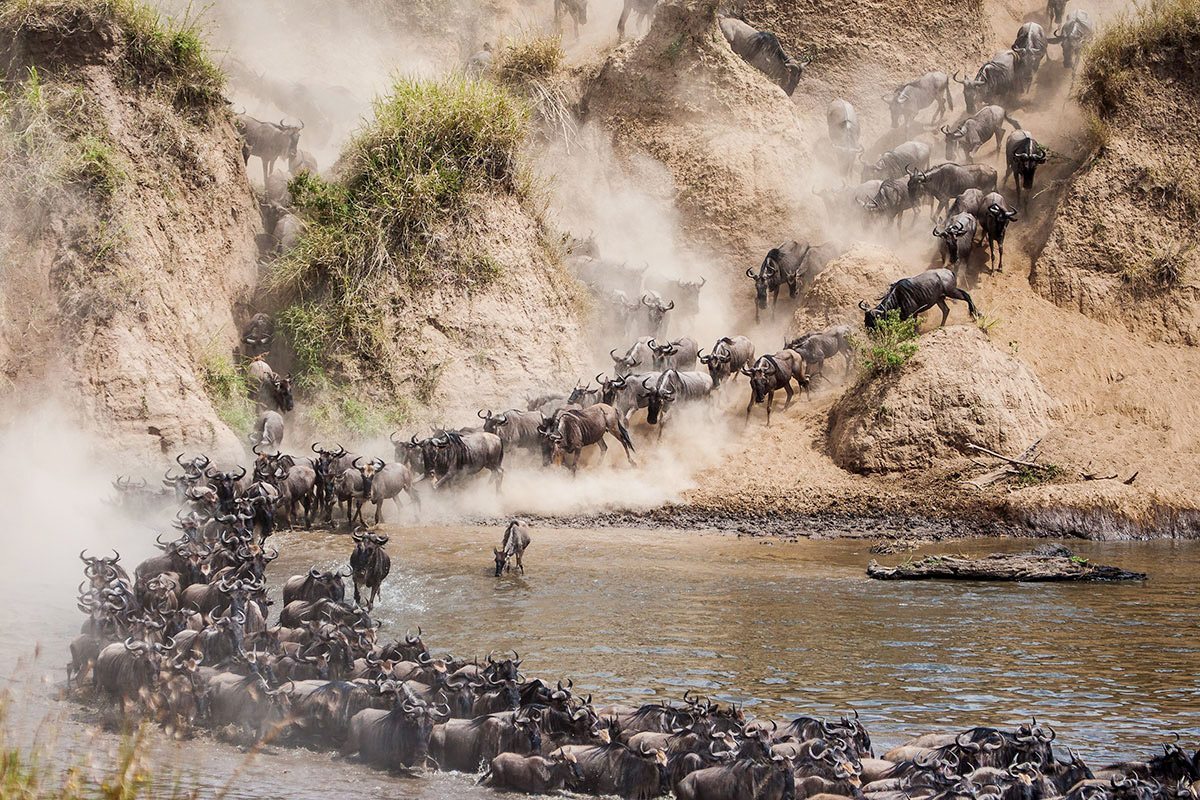
Designed for travellers targeting the northern Serengeti during the season associated with the Mara River movement.
An extended journey created for travellers who want to give the migration time rather than simply passing through Serengeti.

A premium private safari combining migration-focused Serengeti time with the wider Northern Tanzania wildlife experience.
The Mara River is one of the most dramatic settings associated with the northern migration. But river crossings are unpredictable wildlife events — not scheduled performances.
Patience, positioning and responsible viewing are essential. TANAPA's current guidelines require vehicles to remain in designated viewing areas and avoid approaching animals during crossings. :chatgpt-content-reference{index="8"}
Plan a migration safariA well-designed migration safari leaves room for the wider Serengeti experience.
Follow wildlife across open plains, woodland, riverine areas and kopjes. :chatgpt-content-reference{index="9"}
Spend time with the landscape and wildlife rather than simply ticking sightings off a list.
Where available and appropriate to your itinerary, experience the Serengeti from above at sunrise. :chatgpt-content-reference{index="10"}
Add carefully selected experiences such as bush meals or guided walks where suitable. :chatgpt-content-reference{index="11"}
The Great Migration is part of a living ecosystem. The best safari experience is one that allows wildlife to behave naturally while visitors observe respectfully.
At river crossings especially, responsible positioning matters. TANAPA's guidelines are designed to reduce pressure on animals and protect the integrity of the ecosystem. :chatgpt-content-reference{index="12"}
We believe that extraordinary wildlife experiences should also support the long-term protection of the places that make them possible.
The Great Migration is spectacular, but planning it properly requires understanding the season and the movement of the animals.
Tell us when you want to travel and what part of the migration you hope to experience. We will help you build the journey around the season.
Plan my migration safari →