ARUSHA · TANZANIA PRIVATE TANZANIA SAFARIS
Mount Kilimanjaro Tanzania
Kilimanjaro · Tanzania

The Roof
of Africa.

A mountain of changing landscapes, quiet mornings, long trails and one unforgettable summit.

5,895 M Uhuru Peak Private Trekking Tanzania
Discover the mountain ↓
01
Mount Kilimanjaro

More than a summit. A journey.

At 5,895 metres, Mount Kilimanjaro rises above northern Tanzania as Africa's highest mountain and the world's highest free-standing mountain.

The mountain is formed by the volcanic cones of Kibo, Mawenzi and Shira. A climb moves through dramatically different landscapes, from forest to moorland, alpine terrain and the high summit zone.

Polepole ndiyo mwendo.
5,895m
Uhuru Peak
Africa's highest summit.
3
Volcanic Cones
Kibo, Mawenzi and Shira.
7
Main Routes
Different ways to approach the mountain.
5+
Ecological Zones
A remarkable change of environment as you climb.
Kilimanjaro trekking
The Experience

Walk slowly.
Let the mountain unfold.

Kilimanjaro is not a technical climbing expedition on the standard trekking routes. The challenge is the altitude, endurance, changing conditions and patience required over several days.

The rhythm matters. Walk steadily, drink regularly, listen to your mountain crew and give your body time to adapt.

One step at a time.
The Mountain Changes

Five worlds on one mountain.

One of Kilimanjaro's defining experiences is the dramatic change in vegetation and atmosphere as the trail gains altitude.

Kilimanjaro forest
01 · LOWER SLOPES

Cultivation & Forest

Green lower slopes and forest environments.

Kilimanjaro moorland
02 · FOREST

Montane Forest

Dense vegetation and mountain forest.

Kilimanjaro high altitude
03 · MOORLAND

Heath & Moorland

Open highland landscapes and giant plants.

Kilimanjaro alpine zone
04 · ALPINE

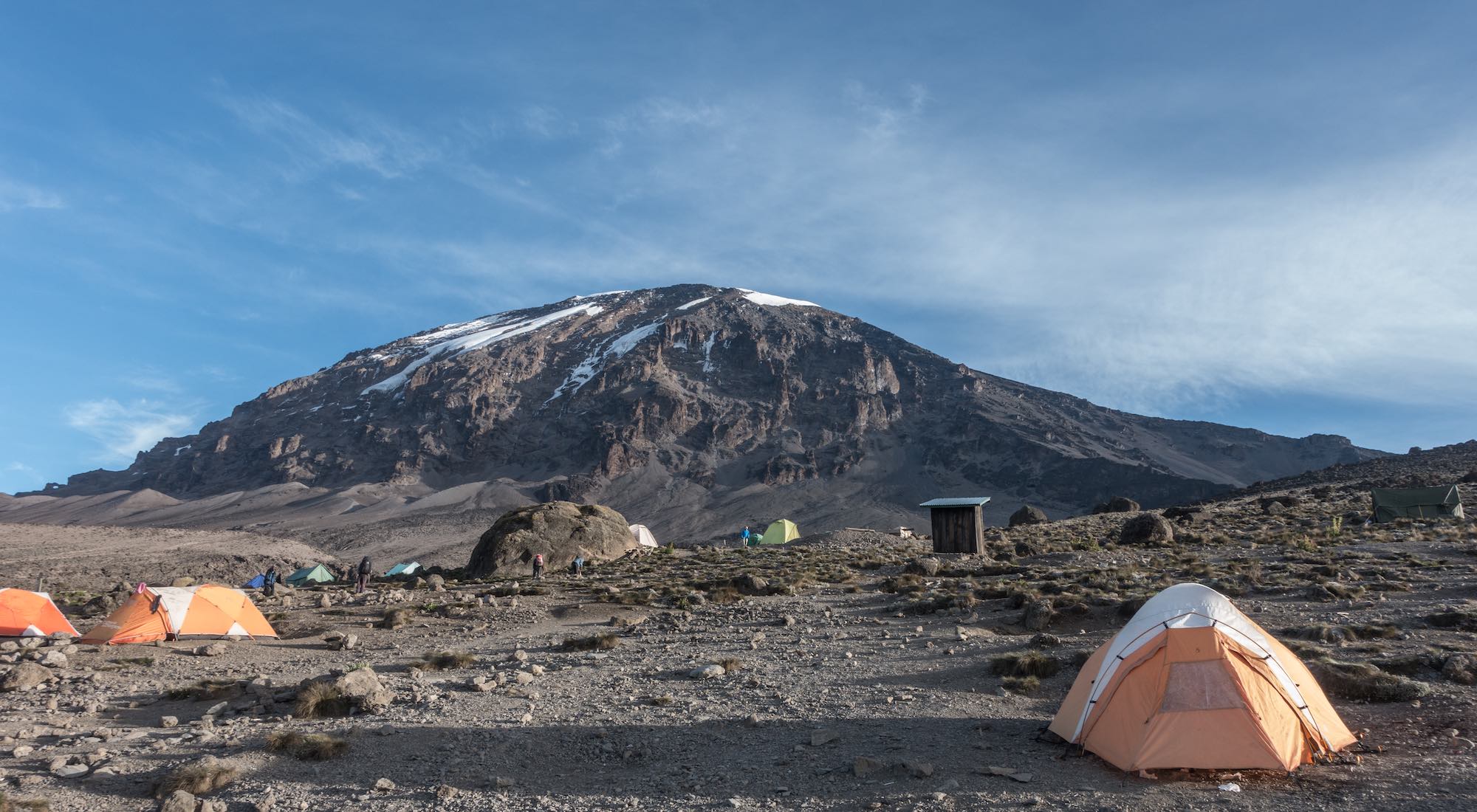
Alpine Desert

Sparse vegetation, volcanic rock and cold air.

Kilimanjaro summit
05 · SUMMIT

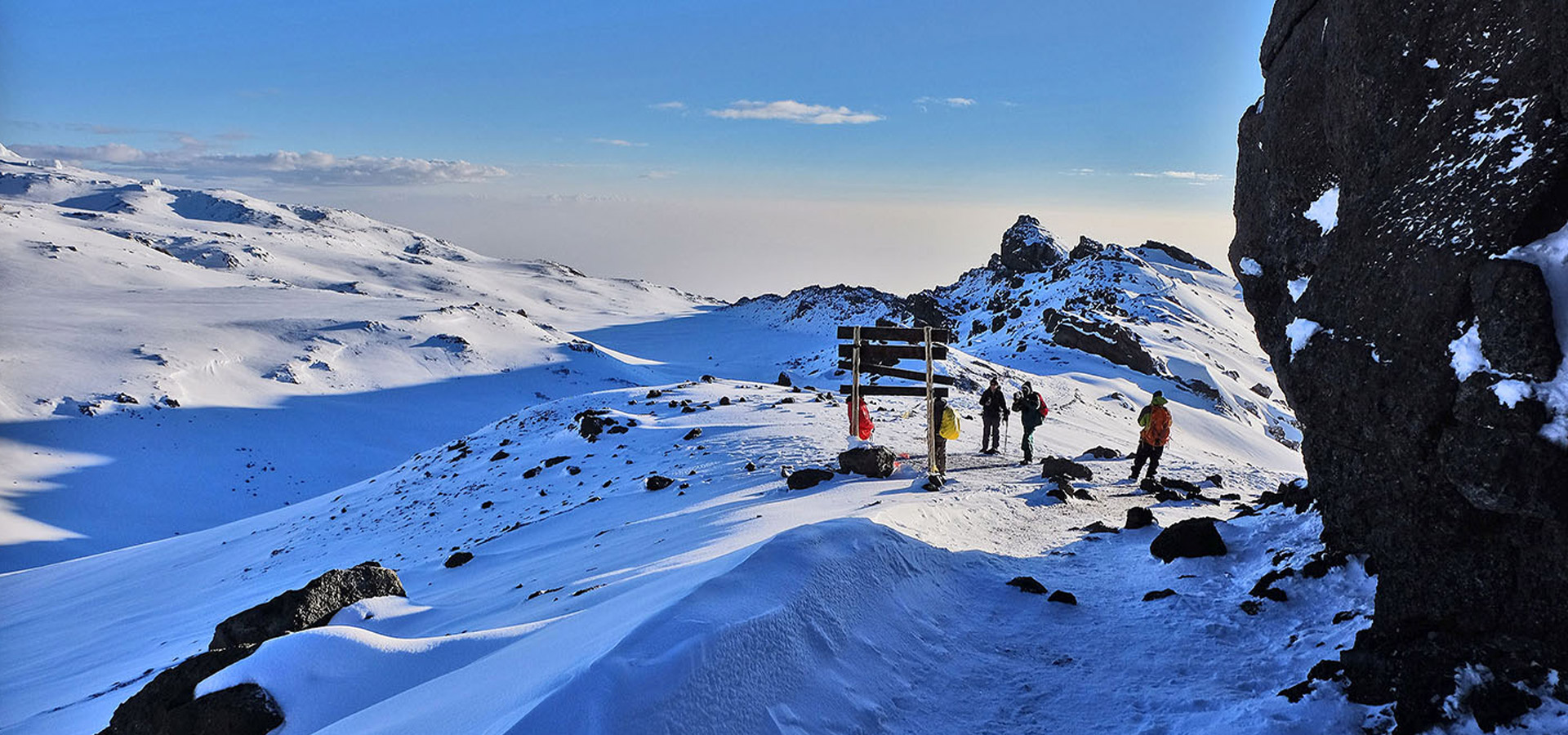
Arctic Zone

Ice, rock and the high summit of Kibo.

Choose Your Route

Seven ways to reach the sky.

Every route has its own rhythm, scenery, accommodation style and acclimatization profile. We help you choose an itinerary around your time, preferences and experience.

Kilimanjaro summit experience
Uhuru Peak

The final
ascent.

Summit night is different from the days below. Most summit attempts begin during the night, allowing climbers to work towards the summit around sunrise before descending to lower elevations.

5,895m Uhuru Peak
Kibo Summit Cone
Sunrise Summit Moment
Before You Climb

Know the journey.

A successful trek is about more than reaching the summit. The pace, preparation, route and support team all contribute to the experience.

01

Acclimatization

Longer itineraries provide more time for gradual altitude adaptation. Your guide will monitor how you are responding and help maintain a sensible pace.

02

Pole Pole

The Swahili expression “pole pole” means slowly. It is one of the most important rhythms of a Kilimanjaro climb.

03

Mountain Crew

Your guide and mountain support team are an important part of the experience. We believe in respectful, responsible trekking practices.

04

Changing Weather

Conditions change significantly with elevation. Proper layers, rain protection, warm clothing and suitable footwear are essential.

05

Recovery

Descending is part of the climb. After the summit attempt, the route continues down through lower elevations where conditions become warmer and oxygen richer.

Kilimanjaro preparation
Prepare Well

Arrive ready.
Climb with confidence.

Good preparation makes the mountain experience more comfortable. We provide detailed pre-climb guidance around clothing, equipment, transfers, accommodation and the trekking schedule.

✓ Proper hiking footwear
✓ Warm summit layers
✓ Rain protection
✓ Headlamp & personal essentials
✓ Water & hydration system
✓ Personal medication
Beyond The Summit

Leave the mountain beautiful.

Kilimanjaro is a protected landscape. Responsible trekking means respecting the trail, reducing waste, following park regulations and treating the mountain crew with respect.

01

Leave No Trace

Keep the mountain clean and take responsibility for waste throughout the trek.

02

Respect the Crew

Guides and mountain support teams are an essential part of the journey.

03

Follow the Trail

Stay on designated routes and follow your guide and park regulations.

04

Protect the Mountain

Travel thoughtfully through fragile high-altitude environments.

Frequently Asked

Kilimanjaro questions.

A few things travellers usually want to know before beginning their mountain journey.

The standard trekking routes do not require technical mountaineering skills, but a good level of fitness, preparation and the ability to cope with sustained walking and altitude are important.

Route duration varies. TANAPA states that climbing to Kibo can take around 5–8 days depending on the route, and longer itineraries generally allow more time for acclimatization.

There is no single route for everyone. The choice depends on your preferred scenery, number of days, accommodation style, desired pace and acclimatization needs. We can help you compare the routes before booking.

Accommodation depends on the route. Marangu uses mountain huts, while other principal trekking routes use designated camping areas.

Altitude should always be taken seriously. Tell your guide promptly if you feel unwell. Guides monitor the group, and decisions about continuing, resting or descending should be made with safety as the priority.

Yes. Kilimanjaro can be planned as part of a wider Tanzania journey, including wildlife safaris and time in Zanzibar. We can build the complete journey around your dates.

Mount Kilimanjaro
Your Mountain Journey

The mountain
is waiting. Are you ready?

Tell us your dates and we will help shape the climb.

Plan My Kilimanjaro Climb ↗